

Article By: Robin Gupta
July 15, 2025 | 5:45 Minutes Read | Updated On: 15 July 2025
Virtual Walkthroughs for Construction Projects: Save Time, Cut Costs
Construction delays and budget overruns have long been the Achilles’ heel of the industry. According to McKinsey, large construction projects typically take 20% longer to finish than scheduled and can exceed budgets by up to 80%. In an industry where margins are tight and timelines tighter, one misstep can lead to massive losses.
That’s where virtual construction walkthroughs are proving to be a game-changer. By combining immersive technology with spatial design, companies can now visualize construction projects before a single brick is laid. The result? Smoother planning, faster approvals, fewer surprises — and a serious drop in costs.
What Are Virtual Construction Walkthroughs?
Virtual construction walkthroughs are fully immersive digital environments that replicate real-world construction sites and buildings. Whether it’s a commercial high-rise or a house builder walkthrough, these tools allow stakeholders to “walk” through a digital version of the structure using VR headsets, desktop computers, or even mobile devices.
Unlike 2D floor plans or static 3D renders, virtual walkthroughs are interactive. They offer real-time navigation, environmental cues like lighting and shadows, and even material texture simulation enabling architects, engineers, and clients to experience the space from multiple perspectives.
Common Applications:
- Pre-construction approvals
- Design validation
- Stakeholder presentations
- Client customization walkthroughs
- Safety planning and hazard identification
Why Industry Leaders Are Turning to Virtual Walkthroughs
1. Early Detection of Design Flaws
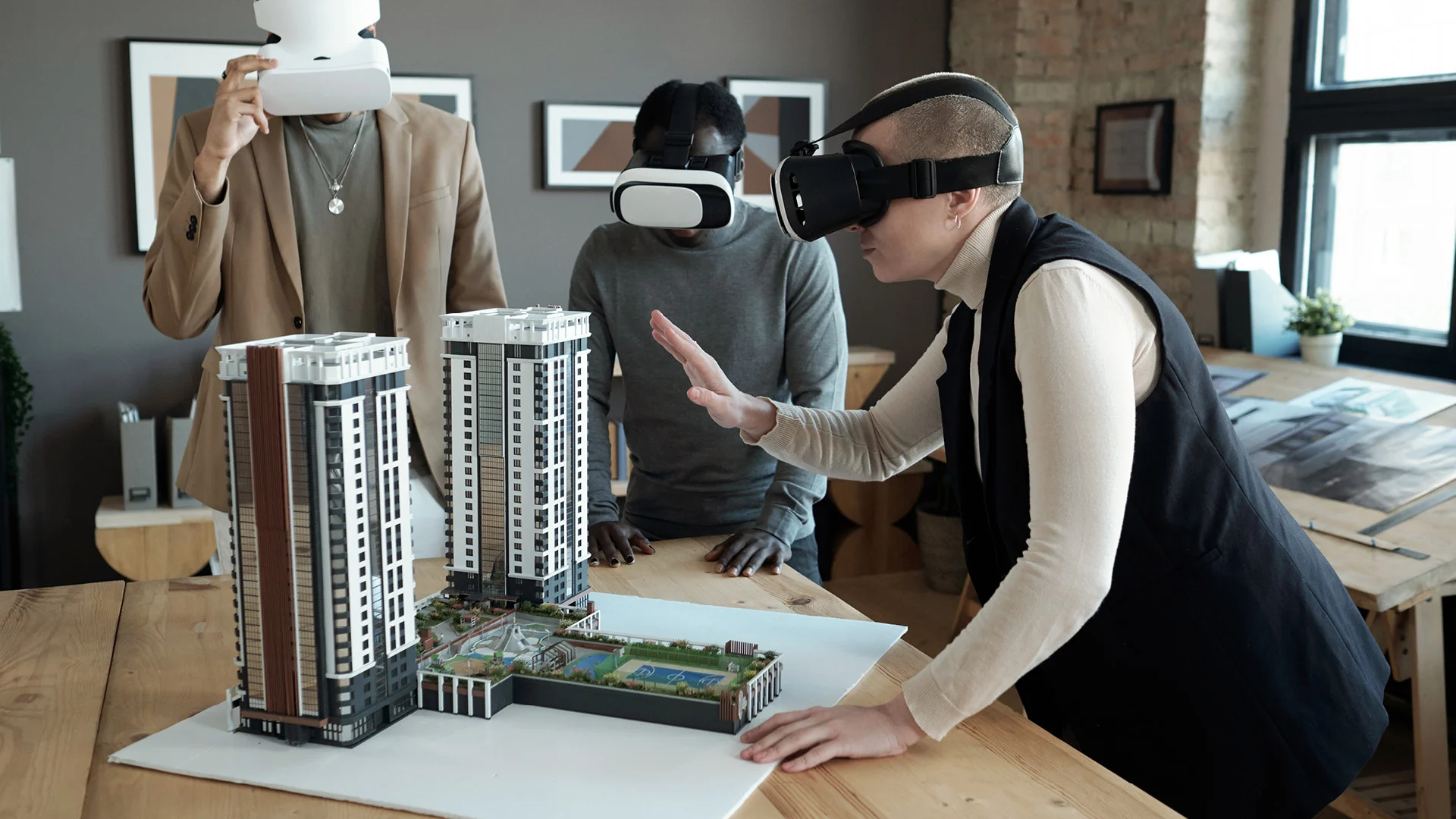
One of the most expensive mistakes in construction is discovering a design error after work has begun. With a VR construction walkthrough, design teams can identify spatial conflicts, misalignments, or usability issues in advance. These errors, once invisible on paper, become glaringly obvious in a 3D environment.
“Seeing the project virtually gives us a 360-degree understanding before it ever hits the site. It’s like a rehearsal — and it saves us from real-world missteps.”
– Project Manager, Global Construction Firm
2. Improved Client Communication
Traditional design presentations often struggle to communicate complex spatial ideas. With virtual walkthroughs, clients aren’t just passive listeners; they become active participants. They can ask for layout changes, visualize materials, or experience design alternatives without needing technical knowledge.
This is particularly valuable in residential projects. A house builder walkthrough allows homeowners to walk through their future kitchen or living room and give feedback early, not after construction is complete.
How It Helps You Save Time
Faster Design Cycles
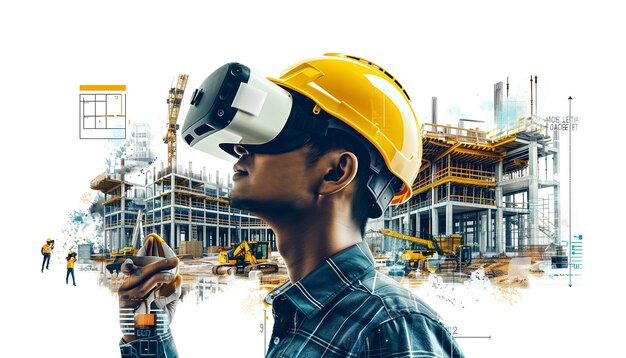
With a virtual walkthrough, revisions happen in the digital realm, not on the job site. Instead of going back and forth over weeks of redlining blueprints, teams can adjust elements in real-time during the walkthrough session.
Better Coordination Between Stakeholders
From architects and contractors to engineers and regulatory bodies, everyone sees the same virtual environment. This reduces misinterpretation and ensures alignment across the board.
Quicker Approvals
Municipal planning committees and clients often struggle with abstract blueprints. Virtual walkthroughs eliminate ambiguity, helping get faster sign-offs and avoiding unnecessary rework.
Cutting Costs with Virtual Construction Walkthroughs
The cost savings are not just theoretical. A report by Dodge Data & Analytics found that BIM and virtual walkthrough technologies have reduced overall project costs by up to 10% across various sectors.
Here’s how the cost-cutting happens:
| Area | Traditional Approach | With Virtual Walkthrough |
|---|---|---|
| Change Orders | High volume post-construction | Reduced due to early detection |
| Travel for Stakeholder Meetings | Frequent site visits | Remote virtual tours |
| Safety Planning | Reactive | Proactive via walkthrough |
| Design Miscommunication | Frequent | Minimized through visualization |
Why Kompanions Stands Out in Immersive Construction Experiences
At Kompanions, we’re not just another tech vendor. We’re strategic partners in building immersive ecosystems for construction enterprises.
As Knowledge Companions to Fortune 500 companies across 15+ industries, we specialize in AR/VR spatial simulations, custom VR development, and stunning real-time 3D experiences that blend functionality with storytelling.
We don’t just replicate your designs we elevate how they’re perceived. From intuitive navigation to multisensory cues, our construction walkthroughs are tailored for business impact.
Real-World Example: Reducing Turnaround Time by 30%
A leading infrastructure firm recently partnered with Kompanions to implement a VR construction walkthrough for a 500,000 sq. ft. commercial complex. Prior to implementing VR, their average design iteration cycle lasted 7 days. Post-VR adoption? Just 48 hours.
The result:
- Design decisions accelerated by 300%
- Travel costs slashed by 40%
- Stakeholder satisfaction score jumped to 96%
This wasn’t a one-off win. We’ve seen similar outcomes in high-rise residential towers, VR metro construction training, and large-scale retail infrastructure projects.
How Virtual Walkthroughs Sync with BIM and Digital Twins
Pairing virtual construction walkthroughs with integrating BIM and digital twins ensures even greater accuracy. BIM offers granular metadata (material specs, lifecycle info), while digital twins enable real-time updates. When synced, walkthroughs can reflect live progress, making them ideal for both planning and facility management.
For example, imagine identifying plumbing issues in a digital twin-linked walkthrough, weeks before construction hits that phase. That’s proactive planning powered by immersive tech.
Industry Stats You Should Know
- 63% of construction rework is caused by design errors or miscommunication (Autodesk + FMI)
- 82% of clients report higher satisfaction when involved in early design stages using virtual tools
- Companies using VR in construction have seen an average 15% boost in project ROI (PwC)
Future Outlook: VR in Construction Is Just Getting Started
Virtual walkthroughs are no longer limited to the design phase. Forward-thinking firms are extending them into:
- Safety simulations (see VR safety in construction)
- Site onboarding
- Post-construction maintenance training
- Facility walkthroughs for prospective tenants
Soon, walkthroughs will be part of every construction touchpoint — from bidding to post-handover.
Final Thoughts
In a field where every delay has a dollar tag, being able to walk through your project before it's built is more than a luxury — it's a necessity.
Virtual construction walkthroughs are transforming how we design, collaborate, and build. They help spot problems before they become costly. They cut down on meetings, mistakes, and miscommunication. And they empower clients and teams with clarity that blueprints simply can’t offer.
As immersive technologies become mainstream, construction firms that adopt these solutions early will find themselves ahead of the curve saving time, reducing cost, and delivering excellence with every build.
Ready to make your next project smarter and smoother?
Let Kompanions craft a walkthrough experience that sets your brand apart.