

Article By: Robin Gupta
August 14, 2025 | 6:52 Minutes Read | Updated On: 14 August 2025
VR-Based Lockout/Tagout (LOTO) Training for Manufacturing Safety
In high-risk manufacturing environments, safety protocols are not just guidelines; they are lifesaving measures. One of the most critical safety practices in the industrial sector is Lockout/Tagout (LOTO), which ensures machines are properly shut off and not accidentally restarted during maintenance or servicing. Despite its importance, improper LOTO procedures remain a major cause of workplace accidents.
Traditional classroom or on-site training often struggles to prepare workers for real-life LOTO situations. This is where VR lockout tagout training offers a game-changing approach combining immersive learning with repeatable, risk-free practice to significantly improve safety compliance and performance.
Understanding Lockout/Tagout (LOTO) and Its Importance
Lockout/Tagout is a procedure mandated by OSHA (Occupational Safety and Health Administration) to prevent the accidental release of hazardous energy during machine servicing. It involves two main steps:
- Lockout – Physically locking the energy-isolating device to prevent activation.
- Tagout – Placing a warning tag indicating that the equipment should not be operated until the lock is removed.
Failure to follow these procedures can lead to severe injuries such as electric shocks, burns, amputations, or even fatalities. In manufacturing plants with heavy machinery, OSHA lockout tagout VR simulations can create realistic, high-pressure scenarios where trainees learn the right steps without the risk of harm.
Why Traditional LOTO Training Falls Short
While on-the-job demonstrations and printed manuals remain common, they have limitations:
- Low engagement – Passive learning fails to create deep retention.
- Limited repeatability – Real equipment cannot be taken offline repeatedly for practice.
- Risk exposure – Inadequate safety zones may still pose hazards during demonstrations.
- Compliance gaps – Workers may memorize steps but fail under stress or in unique situations.
With VR LOTO training, these limitations are eliminated. Workers can repeatedly practice complex procedures in a virtual reality lockout tagout environment that mimics real machines and hazards without operational downtime.
How VR Lockout Tagout Training Works
A lockout tagout VR simulation typically includes:
- Virtual industrial environment that mirrors the actual factory floor.
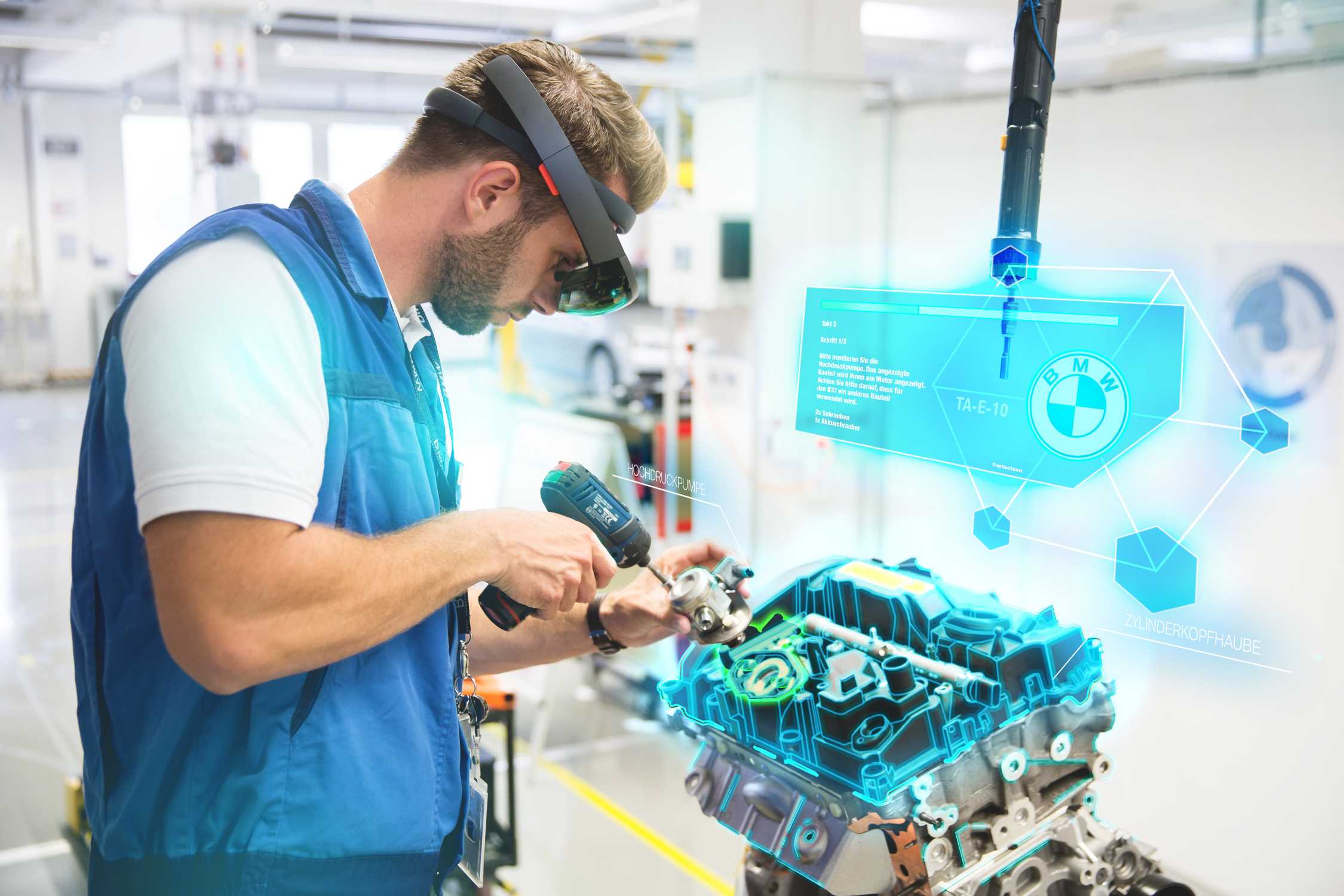
- Interactive equipment models that workers can inspect, shut down, and secure using VR controllers.
- Guided and unguided training modes for both beginners and experienced employees.
- Real-time feedback highlighting errors or skipped steps.
- Scenario-based challenges such as faulty lock mechanisms, time pressure, or unexpected hazards.
For example, a worker might enter a VR manufacturing floor, locate the correct energy source, apply a lock, tag it, verify the lock, and then perform simulated maintenance. Any mistakes trigger feedback that reinforces correct behavior.
Benefits of VR-Based LOTO Training for Manufacturing Safety
1. Risk-Free Practice
Trainees can make mistakes without endangering themselves or others, ensuring safety while learning.
2. Increased Retention and Engagement
Immersive environments stimulate active learning, making procedures easier to recall during real-world application.
3. Scalability Across Multiple Sites
VR content can be deployed to various manufacturing locations without additional trainers or equipment downtime.
4. Measurable Performance Tracking
Supervisors can track metrics like completion time, error rates, and compliance scores.
5. Cost Savings in the Long Run
Reduced accidents, downtime, and training resource costs make VR LOTO training a strong ROI investment.
Aligning VR LOTO Training with OSHA Compliance
OSHA standard 29 CFR 1910.147 outlines detailed requirements for LOTO procedures. VR simulations can be programmed to mirror these compliance steps exactly. Workers not only learn the sequence but also develop muscle memory for correct tool use, verification procedures, and hazard identification.
This alignment ensures manufacturing safety VR training is not just an educational tool but a compliance-driven solution that protects both employees and businesses.
Example Use Case: LOTO Training in a Heavy Equipment Plant
A heavy-equipment manufacturer adopted VR safety training solutions to replace its outdated PowerPoint-based LOTO instruction.
Before VR – Workers attended 2-hour sessions with limited hands-on exposure. Accidents from improper LOTO averaged three per year.
After VR – Workers completed immersive, repeatable VR sessions with scenario-based challenges. Accidents dropped to zero within the first year.
The company also noticed faster onboarding for new hires and improved audit scores during OSHA inspections.
How VR LOTO Training Fits into a Larger Safety Ecosystem
Lockout/Tagout VR simulation is part of a bigger movement toward enterprise VR solutions in manufacturing. When combined with other immersive safety programs such as fall prevention, machine tool safety, or fire hazard response, companies can create a fully integrated VR safety ecosystem.
Kompanions offers industrial VR training programs that can be customized to include multiple safety modules, ensuring workers are prepared for various hazards they may face on the job.
Key Features of Kompanions’ VR LOTO Training
- Custom VR development tailored to your specific machines and safety protocols.
- Multi-language support for diverse workforce training.
- Cloud-based access so trainees can practice anytime, anywhere.
- Modular design to integrate with other safety programs.
These features ensure that workplace safety VR solutions from Kompanions are not generic, but business-specific, measurable, and highly engaging.
Overcoming Adoption Barriers
Some manufacturers hesitate to adopt VR due to perceived high costs or technological complexity. However, the reality is that:
- VR hardware is more affordable than ever.
- Custom VR solutions can be developed incrementally to fit budget cycles.
- Training staff to operate VR headsets is straightforward, and sessions can be self-guided.
- By starting with a single module like VR LOTO training, companies can gradually expand their VR safety programs.
Future of VR in Manufacturing Safety
With advancements in artificial intelligence, future VR safety training solutions could adapt in real-time to each trainee’s performance. Imagine a simulation that detects hesitation when applying a lock and instantly provides guidance — or one that introduces random hazards to keep workers alert.
The combination of virtual reality lockout tagout training and AI-driven personalization could make manufacturing floors safer than ever before.
Final Thoughts
VR lockout tagout training is more than a technological upgrade it’s a practical step toward eliminating preventable workplace accidents in manufacturing. By offering immersive, repeatable, and OSHA-aligned experiences, VR LOTO training ensures workers are not just told about safety but are trained to live it.
For manufacturers aiming to improve compliance, reduce downtime, and protect employees, VR safety training solutions from Kompanions provide a future-ready answer. Whether as part of enterprise VR solutions or a standalone module, VR LOTO training is proving to be one of the most impactful tools for industrial safety today.